

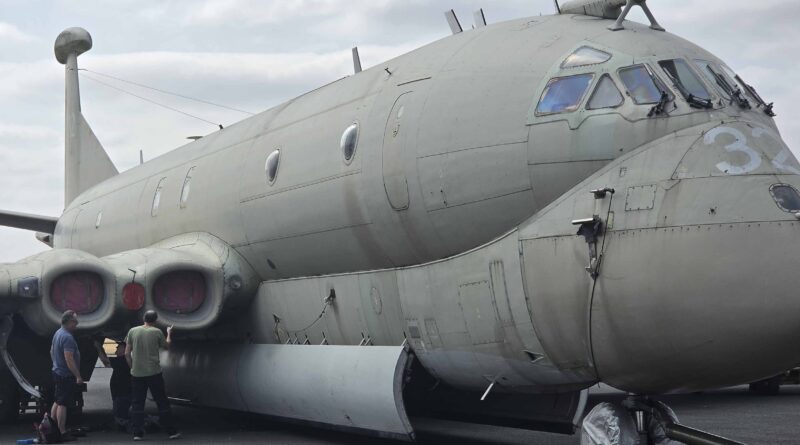
Project update: Another Productive Weekend on XV232 – Split Flaps Off, Engines One Step Closer
Progress continued at a steady pace yesterday as our volunteers tackled two important areas of work, each bringing XV232 another step closer to her relocation to RAF Manston History Museum.
One team concentrated on removing the split flaps beneath the engines. Although they may not be the most visible parts of the aircraft, removing them is an essential step in preparing the wing and engine areas for the next phase of the dismantling programme. Like many tasks on a large aircraft, success comes from patience, teamwork and careful planning rather than brute force.
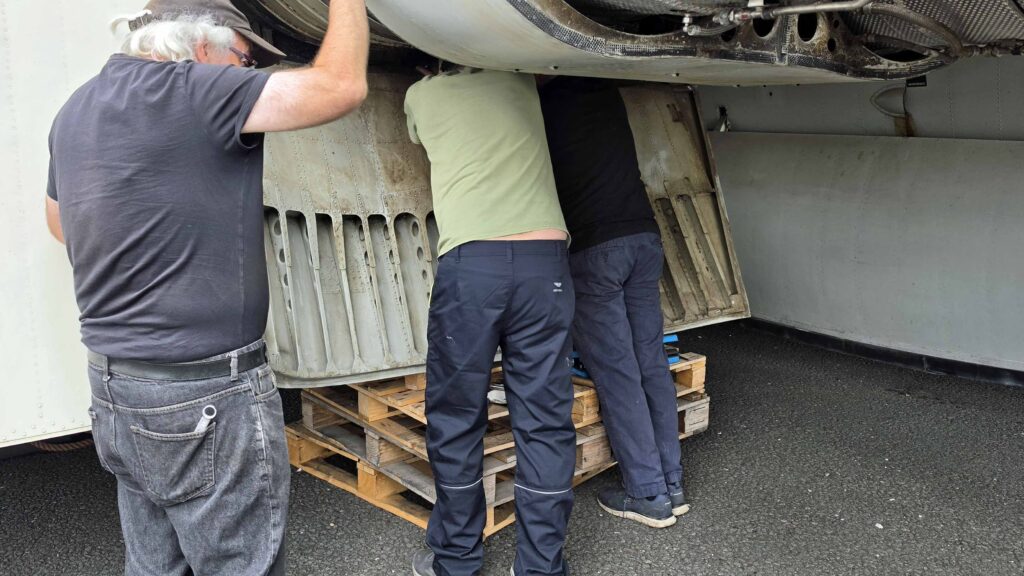
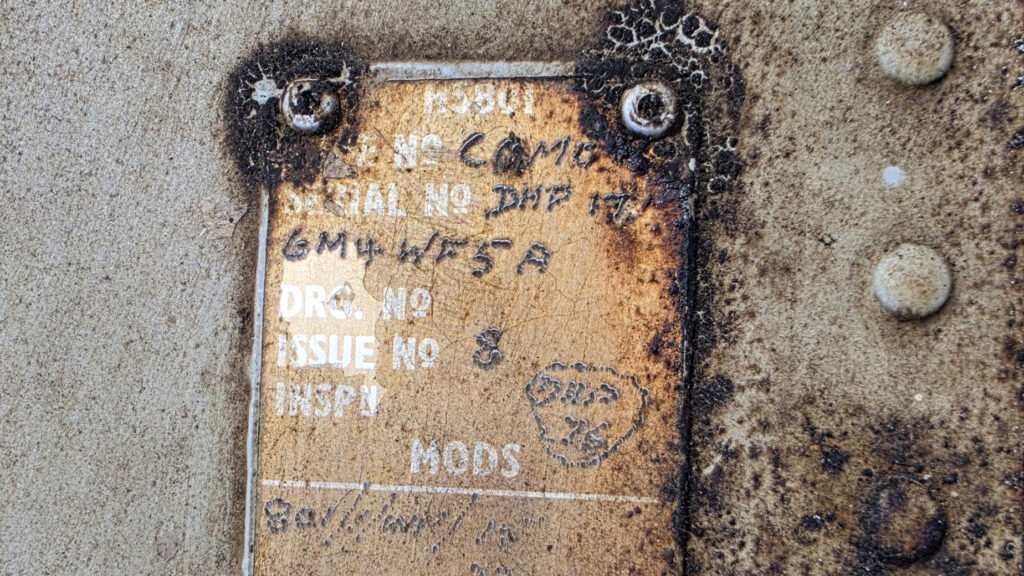
Interestingly, one of the split flaps carries a small but meaningful piece of history — a name plate referencing the code “Comet.” This is a nod to the Nimrod’s origins, as the aircraft was developed from the de Havilland Comet, the world’s first commercial jet airliner. Seeing this detail serves as a reminder of the lineage behind XV232 and the remarkable evolution from pioneering passenger jet to highly capable maritime patrol aircraft.
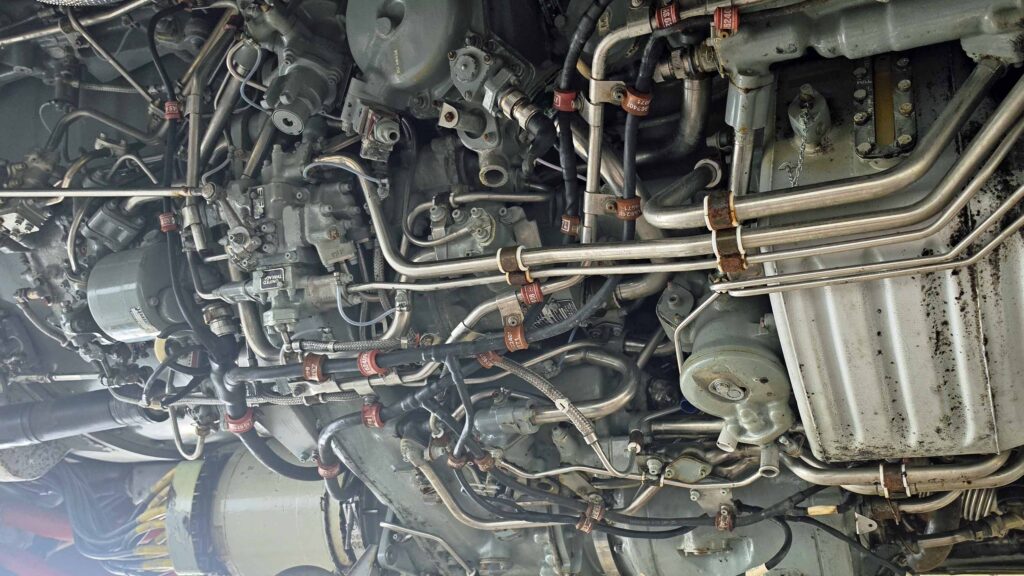
Meanwhile, Duncan “JR” Ewing – better known to many as Mr Happy – was once again putting his wealth of Nimrod engineering experience to good use. Duncan spent the day preparing the Rolls-Royce Spey No 4 engine for their eventual removal, carefully working through the many systems, connections and components that need to be disconnected before an engine can safely be lowered from the aircraft.
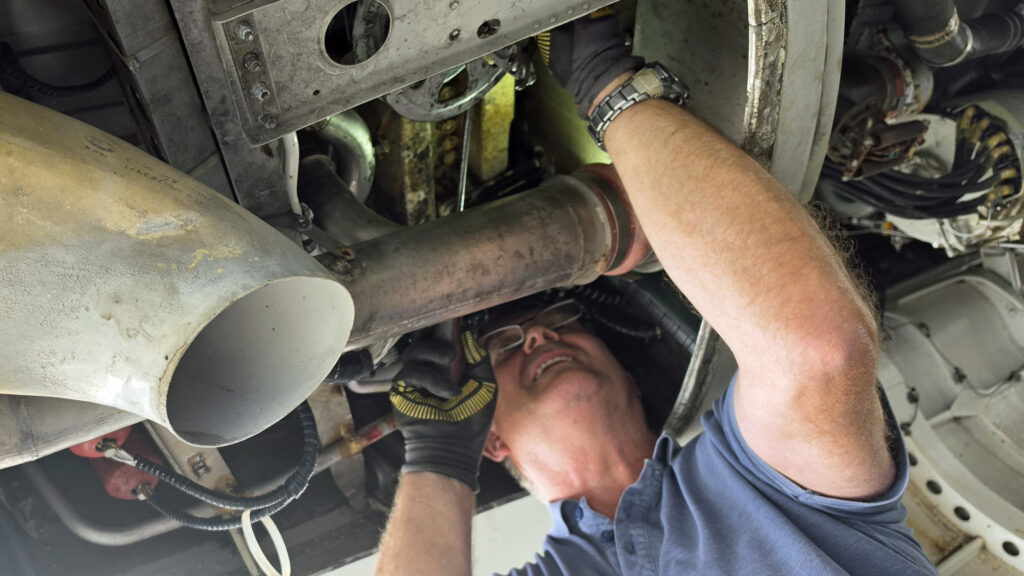
Removing a Nimrod engine is no small undertaking. Each engine weighs around two tonnes and sits in a very confined space. Every pipe, cable, control linkage and mounting point has to be disconnected methodically before the engine can be lowered onto its transport cradle with only a few millimetres of clearance in places. It’s work that demands experience, precision and absolute attention to detail.
For many of our volunteers, this is also an opportunity to relive skills they developed during their RAF careers. Watching former Nimrod engineers work together again gives a real appreciation of the professionalism and teamwork that kept these remarkable aircraft flying throughout decades of operational service.
Every weekend like this moves us a little closer to seeing XV232 safely relocated and preserved for future generations. There is still a huge amount of work ahead, but thanks to the dedication of our volunteers and the incredible support we continue to receive, we’re making steady progress.
Thank you to everyone who gave up their Saturday to help keep XV232’s story alive.
If you’d like to support the relocation and preservation of XV232, please consider making a donation. Every contribution, large or small, helps fund the specialist equipment, transport and engineering work needed to secure her future at RAF Manston History Museum.
Thank you for being part of the journey.
https://www.zeffy.com/en-GB/donation-form/save-nimrod-xv232-help-us-secure-her-future-2